
Dot Matrix and Trendar Continuous Printing Supplies
How Dot Matrix Printing Works
- The print head consists of multiple pins (typically 9, 18, or 24), which strike the ribbon to create dots.
- These dots form characters or images based on predefined patterns.
- The paper moves through the printer using a tractor-feed or friction-feed mechanism.
Why Dot Matrix Printing Is Useful
- Durability & Reliability – Dot matrix printers are known for their robustness, making them ideal for industrial and business environments.
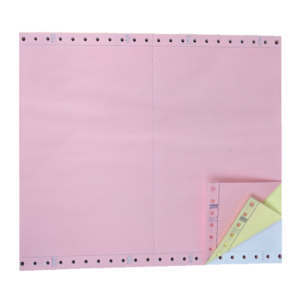
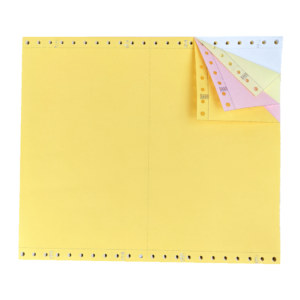
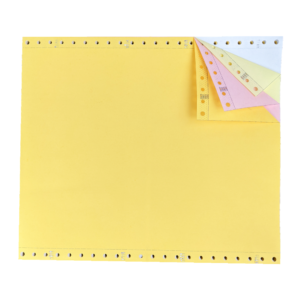
- Multi-Part Form Printing – They can print on multi-layer carbon copies (e.g., invoices, receipts, shipping forms), which is impossible with laser or inkjet printers.
- Functionality in Harsh Environments – They operate well in extreme conditions (e.g., heat, dust, or cold) where other printers might fail.
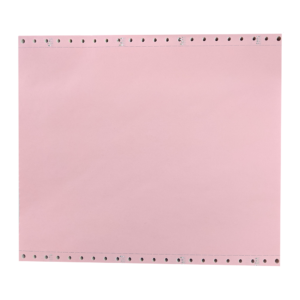
- Continuous Printing – They efficiently print long rolls/sheets of paper, making them suitable for logistics, accounting, and inventory applications
Dot Matrix Printing and Trendar Machines
Dot matrix printers are particularly useful when combined with Trendar machines, which are point-of-sale (POS) or fuel management systems commonly used in gas stations and convenience stores. These machines process fuel transactions, generate reports, and print receipts or shift reports.
Why Dot Matrix Printers Work Well with Trendar Machines
-
Reliable for High-Volume Printing
- Gas stations process thousands of transactions daily. Dot matrix printers can handle continuous, high-volume printing without excessive maintenance or ink replacement.
-
Multi-Part Form Printing
- Many fuel stations and convenience stores require duplicate or triplicate copies of receipts, shift reports, and transaction logs. Dot matrix printers can print on carbon-copy paper, allowing cashiers and managers to keep physical records for auditing.
-
Durability in Harsh Environments
- Fuel stations are exposed to dust, heat, and moisture. Dot matrix printers are built to withstand such environments, unlike inkjet or laser printers, which can clog or fail under these conditions.
-
Low Operating Costs
- Since dot matrix printers use ribbon-based ink systems, they are more cost-effective than inkjet or laser printers. Fuel stations benefit from lower long-term printing expenses since ribbons last longer than ink cartridges.
-
Uninterrupted Printing During Power Fluctuations
- Some Trendar systems are designed to work even during brief power interruptions. Dot matrix printers consume less power and often continue functioning on backup power, ensuring that critical reports and receipts are printed without disruption.
-
Easy Integration with Legacy Systems
- Many Trendar machines use older POS software and serial/parallel port connections. Dot matrix printers are compatible with these legacy systems, making them seamless to integrate without the need for expensive upgrades.
Key Points Summary
| Feature | Details |
|---|---|
| Printing Mechanism | Print head pins strike an ink ribbon to form characters and images. |
| Paper Movement | Uses tractor-feed or friction-feed mechanisms. |
| Durability | Suitable for industrial use and harsh conditions. |
| Multi-Part Forms | Prints on multi-layer carbon copies (e.g., receipts, invoices). |
| Continuous Printing | Efficient for long sheets/rolls, ideal for logistics and accounting. |
| Trendar Machine Compatibility | Works seamlessly with POS/fuel management systems. |
| High-Volume Printing | Handles thousands of daily transactions in gas stations. |
| Low Operating Costs | Ribbon-based ink system is cost-effective. |
| Uninterrupted Printing | Functions on backup power during power fluctuations. |
| Legacy System Integration | Supports older POS software and serial/parallel connections. |
Popular Dot Matrix Printers:
Some of the most popular dot matrix printers consist of:
- Epson FX-890II
- Epson LQ-590II
- Oki Microline 320 Turbo
- Epson LQ-2090II